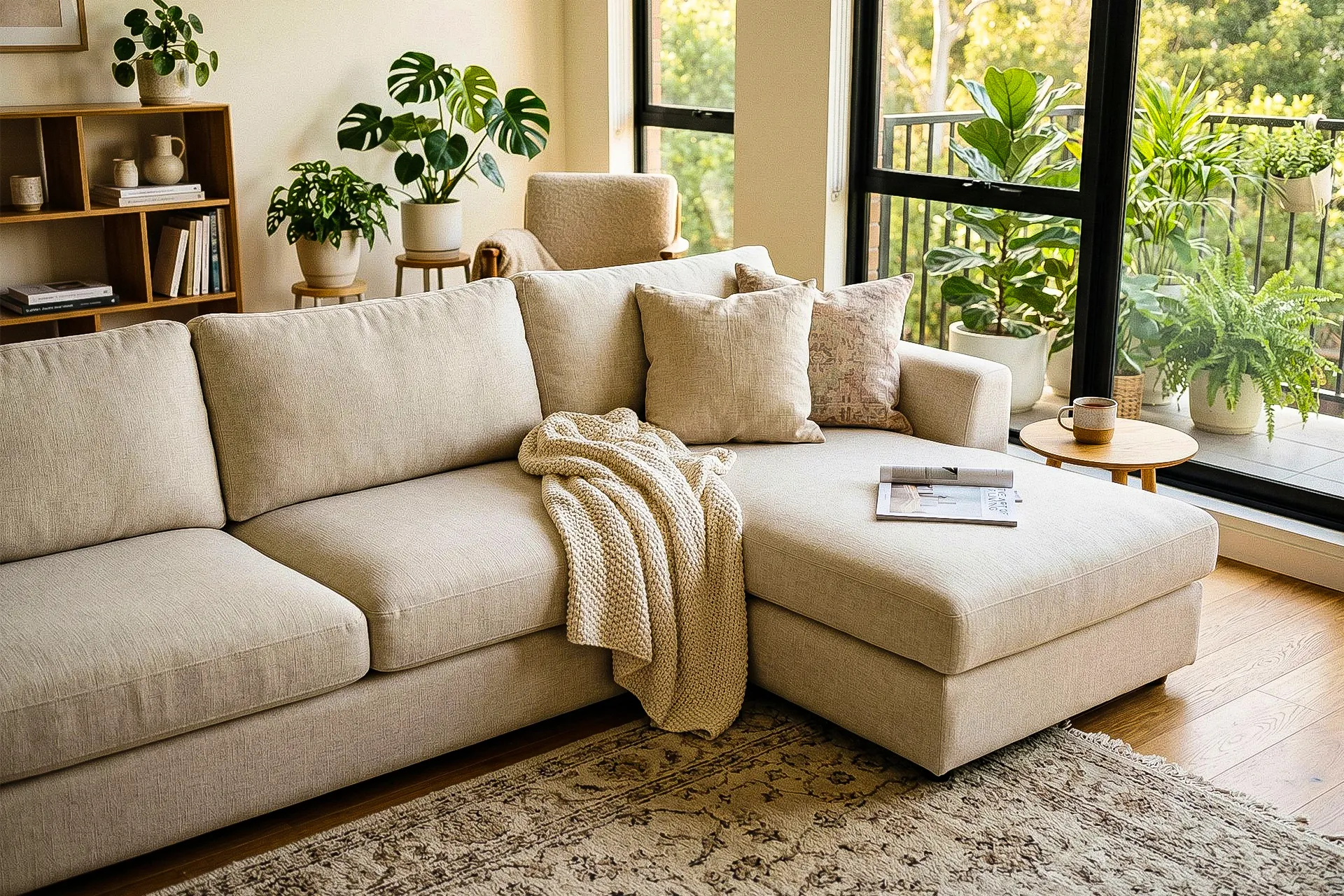
Sweat stains on sofas are a very common issue, especially in hot climates or households with active family members. These yellowish or brownish marks usually appear on armrests, back cushions, and seats. They come with an unpleasant musty odor caused by body salts, oils, bacteria, and perspiration soaking deep into the fabric.
The challenge with sweat stains is that they are protein-based and oily, which makes them stick to fibers stubbornly. However, you can successfully remove them at home without harsh chemicals or expensive professional cleaning.
This detailed guide provides fresh, effective, and safe methods to tackle sweat stains on different types of sofas. You’ll find step-by-step instructions, powerful DIY hacks, fabric-specific advice, odor removal techniques, and long-term prevention strategies.
Understanding Sweat Stains: Why They Are Tough
Sweat is more than just water. It contains urea, fatty acids, proteins, and minerals that react with fabric and bacteria over time. This reaction causes both visible discoloration and lingering smells. Regular cleaning solutions often fail because they don’t break down these oils and proteins properly.
Always begin by checking your sofa’s care label (usually hidden under a cushion). This helps you avoid damaging the material while cleaning.
Essential Supplies for Removing Sweat Stains
You only need basic household items:
- White vinegar
- Baking soda
- Mild dish soap (grease-cutting formula)
- Microfiber cloths (white preferred)
- Spray bottle
- Soft brush
- Hydrogen peroxide (3%, for light-colored fabrics only)
- Enzyme cleaner (optional but powerful for protein stains)
- Vacuum with upholstery attachment
- Fan for faster drying
Step-by-Step Methods to Remove Sweat Stains
Method 1: Basic Vinegar + Dish Soap Solution (Most Effective for Fresh Stains)
- Vacuum the affected area thoroughly to remove loose particles.
- Mix 2 cups warm water, 1 tbsp white vinegar, and 1 tsp mild dish soap in a spray bottle.
- Lightly dampen a microfiber cloth with the solution.
- Gently dab the stained area, working from the edges toward the center.
- Use a clean damp cloth to wipe away residue.
- Blot dry with a towel and allow full air drying (use a fan to speed it up).
This combination breaks down body oils and neutralizes odor effectively.
Method 2: Baking Soda Deep Treatment (Best for Old & Smelly Stains)
- Generously sprinkle baking soda over the sweat-stained areas.
- Gently work it into the fabric using a soft brush.
- Leave it for at least 4–6 hours or overnight.
- Vacuum everything away.
- Follow with the vinegar solution if any stain remains.
Baking soda is excellent at absorbing deep-set oils and eliminating stubborn odors.
Method 3: Hydrogen Peroxide Paste (For Light-Colored Fabric Sofas Only)
- Make a paste using baking soda and 3% hydrogen peroxide.
- Apply carefully to the stain.
- Let it sit for 10–15 minutes (do not let it dry completely).
- Blot away with a damp cloth and rinse with plain water.
- Always test this method on a hidden area first.
Method 4: Enzyme Cleaner Hack (For Very Stubborn Stains)
Enzyme cleaners break down protein-based sweat residues. Spray a pet-safe enzyme cleaner on the area, let it dwell for 15–30 minutes, then blot and dry. This method is particularly useful for armrests and back cushions where sweat accumulates heavily.
Fabric-Specific Sweat Stain Removal Tips
Fabric Sofas (Cotton, Polyester, Linen): Use the vinegar-dish soap method. These fabrics respond well to gentle blotting.
Microfiber Sofas: Use minimal moisture. After baking soda treatment, use a barely damp cloth and brush the fabric afterward to restore its texture.
Velvet or Chenille: Avoid heavy liquids. Rely more on baking soda and light vinegar misting. Brush gently in the pile direction after cleaning.
Leather Sofas: Wipe with a cloth dampened in diluted vinegar solution. Follow with a leather conditioner to prevent drying and cracking.
Natural Odor Elimination Techniques
Even after the stain fades, odor can remain. Try these:
- Leave baking soda overnight and vacuum.
- Place small bowls of activated charcoal or coffee grounds under cushions for 48 hours.
- Sun-dry removable cushions (if possible) for 2–3 hours.
- Lightly mist with diluted essential oil water (lavender or tea tree) after cleaning.
Prevention Tips to Stop Sweat Stains from Returning
- Use washable sofa covers or throws on armrests and high-contact areas.
- Encourage family members to use towels or blankets when sitting after exercise.
- Maintain good room ventilation and use a dehumidifier in humid weather.
- Clean sofa cushions regularly with baking soda.
- Trim pet nails and provide proper scratching posts for cats.
Common Mistakes People Make
- Rubbing the stain instead of blotting (spreads it deeper).
- Using too much water or harsh cleaners.
- Skipping the drying step completely.
- Applying solutions directly on the fabric without testing.
- Ignoring odor even after the stain is gone.
When to Call Professional Help
If the sweat stains are very old, cover a large area, or your sofa has delicate fabric (silk, velvet with “X” code), it may be safer to consult a professional upholstery cleaner.
Conclusion
Removing sweat stains from sofas at home is achievable with the right approach and household ingredients. Whether you use the vinegar-dish soap method, baking soda treatment, or enzyme cleaners, patience and proper technique are key to success.
By combining effective cleaning with smart prevention habits, you can keep your sofa fresh, odor-free, and looking new for much longer. Start with a thorough vacuum and baking soda application today — you’ll notice improvement quickly.
A clean sofa not only looks better but also creates a more hygienic and comfortable living space for your family. Use these methods confidently and enjoy your refreshed furniture.