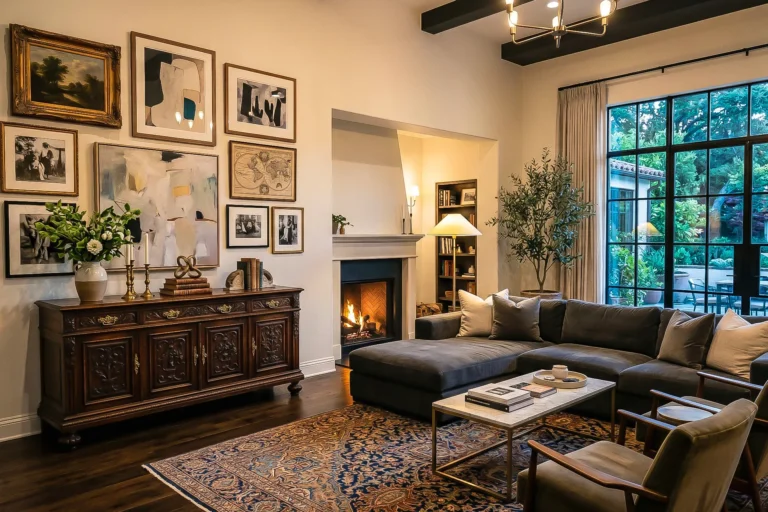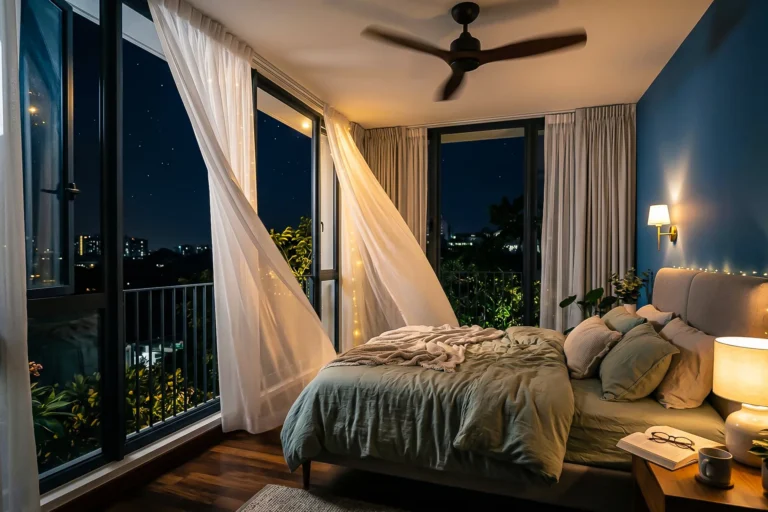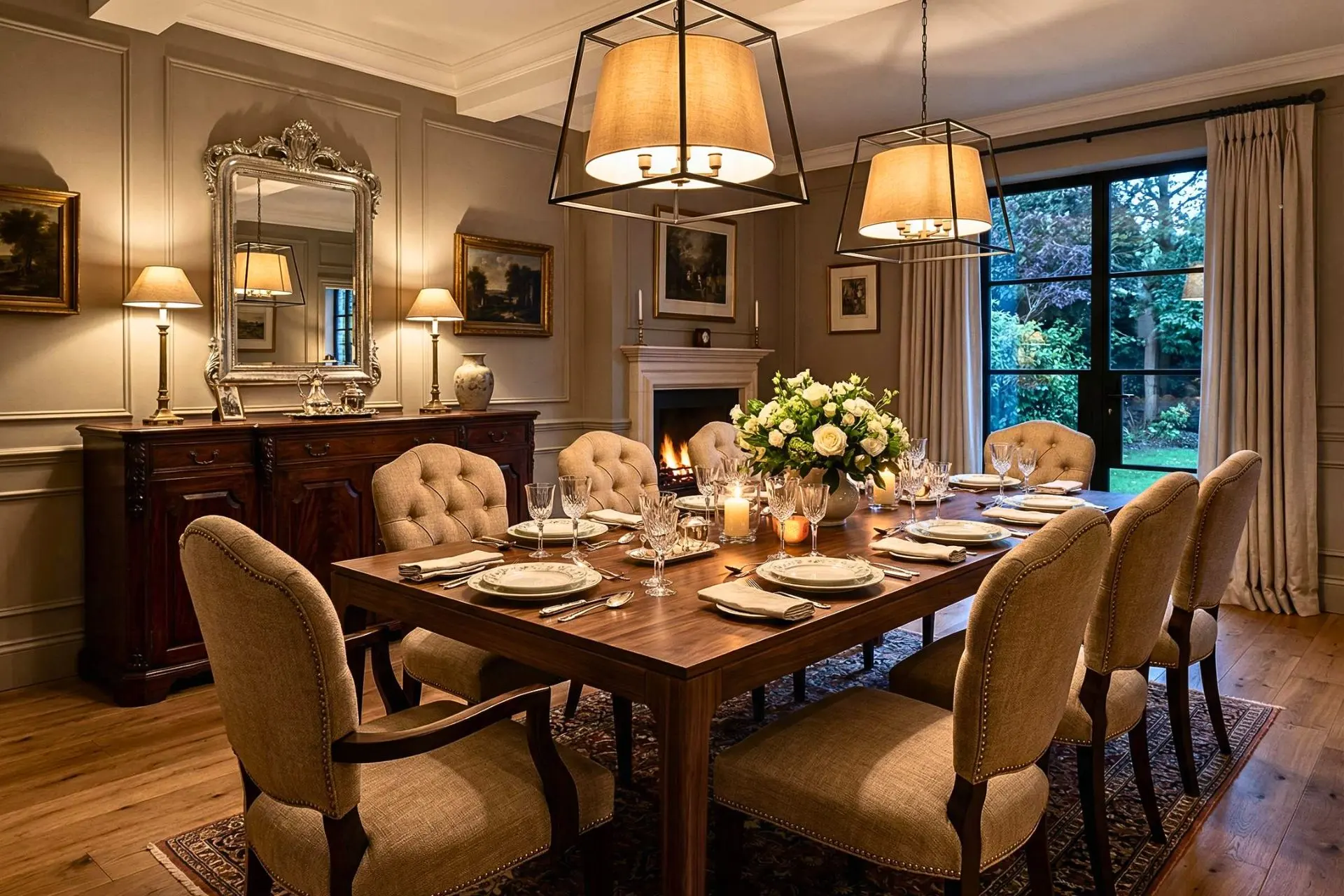
Mixing modern and traditional decor is one of the most sought-after interior design approaches today. It brings together the clean simplicity of modern design with the timeless elegance, symmetry, and warmth of traditional style. The result is a sophisticated, comfortable, and inviting home that feels both fresh and rooted in classic beauty.
Unlike mixing modern and vintage (which is more eclectic and “collected”), modern-traditional mixing is about balance, harmony, and refined contrast. It is often called Transitional Decor and has become extremely popular in 2026 because it works beautifully in both apartments and large homes.
This detailed guide will teach you exactly how to mix modern and traditional decor successfully. You’ll discover the core principles, practical techniques, color and material strategies, room-by-room advice, current trends, and mistakes to avoid.
What Makes Modern and Traditional Decor Different?
Modern decor focuses on simplicity, clean lines, minimal ornamentation, open space, and functionality. It often uses neutral palettes, metal, glass, and sleek finishes.
Traditional decor emphasizes classic proportions, symmetry, rich details, ornate moldings, and heritage-inspired elements such as turned legs, crown molding, and formal arrangements.
When mixed well, modern provides the fresh, uncluttered structure while traditional adds depth, warmth, and sophistication.
Core Principles for Mixing Modern and Traditional Successfully
1. Create a Strong Neutral Foundation
Start with a calm base using soft neutrals (warm whites, greiges, taupes, or light beiges) on walls and large surfaces. This allows traditional details to stand out without overwhelming the space.
2. Balance Proportions and Scale
Use modern pieces for the main furniture (sofas, beds, dining tables) and introduce traditional elements as accents or statement pieces. Keep the overall layout symmetrical and orderly — a hallmark of traditional style — while allowing modern openness.
3. Repeat a Cohesive Color Palette
Choose 4–6 colors that appear throughout the room. Traditional style often brings deeper, richer tones (navy, burgundy, emerald, warm wood tones), while modern adds crisp whites and metallics. Repeating these colors creates harmony.
4. Contrast Materials and Textures
Pair smooth modern surfaces (leather, polished metal, glass) with traditional textures (velvet, linen, carved wood, antique brass). This contrast adds richness and prevents the room from feeling flat.
5. Focus on Quality Over Quantity
Choose fewer but higher-quality pieces. A well-made traditional dining table paired with modern dining chairs creates a striking yet elegant look.
Step-by-Step Guide to Mixing Modern and Traditional Decor
- Start with the Largest Pieces Choose modern sofas, beds, or dining tables as your foundation. These provide clean lines and comfort.
- Add Traditional Focal Points Introduce one or two strong traditional pieces — an antique sideboard, classic wingback chair, or ornate mirror.
- Layer with Traditional Details Add crown molding, wainscoting, or paneling if possible. Use traditional hardware on modern cabinets.
- Incorporate Modern Lighting Pair traditional chandeliers or sconces with sleek modern floor lamps or recessed lighting.
- Finish with Textiles and Accessories Use traditional patterned rugs or curtains with modern solid throws and minimalist art.
- Edit and Balance Step back frequently and remove anything that feels too heavy or out of place.
Color Strategies for Modern-Traditional Homes
- Warm Neutrals — The safest and most popular base in 2026.
- Classic Accents — Deep greens, navy blue, burgundy, and terracotta used sparingly.
- Metallic Touches — Brass, gold, or brushed nickel to bridge modern and traditional.
Furniture Mixing Ideas
- Modern sectional sofa + traditional wingback armchairs
- Sleek dining table + classic dining chairs
- Contemporary bed frame + antique nightstands
- Modern media console + traditional artwork or mirror above it
Lighting That Bridges Both Styles
Use a mix of:
- Traditional crystal or brass chandeliers
- Modern linear pendant lights
- Classic table lamps with contemporary shades
Room-by-Room Mixing Examples
Living Room Modern sofa paired with traditional coffee table and classic armchairs. Add a large traditional rug under a modern glass coffee table.
Dining Room Clean modern dining table surrounded by traditional upholstered chairs. Hang a modern chandelier over an antique sideboard.
Bedroom Modern platform bed with traditional nightstands and a classic headboard. Use modern bedside lamps.
Kitchen Modern cabinetry with traditional hardware, pendant lights, and a classic farmhouse sink.
Current 2026 Trends in Modern-Traditional Design
- Warm neutrals with rich wood tones
- Mixed metals (brass + matte black)
- Statement traditional moldings in modern homes
- Layered lighting (chandeliers + recessed lights)
- Curved traditional furniture shapes in clean modern spaces
Common Mistakes to Avoid
- Too many traditional pieces in one area (creates heaviness)
- No repeating colors or materials (looks disconnected)
- Ignoring scale and proportion
- Using overly ornate traditional pieces without modern balance
- Forgetting comfort and functionality
Conclusion
Mixing modern and traditional decor is a sophisticated way to create a home that feels both current and timeless. By starting with a neutral base, balancing scale, repeating colors, and thoughtfully contrasting textures, you can achieve an elegant, comfortable space that reflects your personality.
Begin with one room. Choose a strong modern foundation and slowly introduce traditional elements until the room feels balanced and inviting. The most beautiful modern-traditional homes are those that feel curated and lived-in rather than strictly styled.
Your home can be both fresh and classic at the same time. With the right approach, modern and traditional decor work together to create spaces that are truly beautiful and welcoming for years to come.
Save this guide and use it as your reference whenever you want to bring elegance and warmth into a modern home — or add contemporary freshness to traditional pieces.