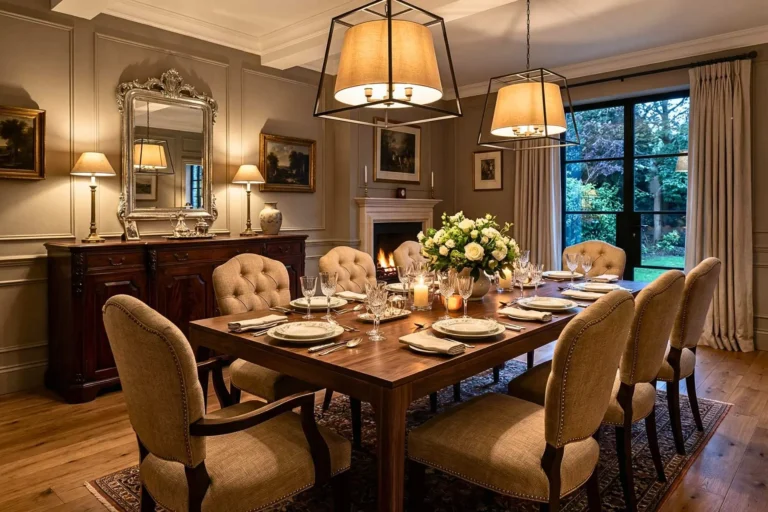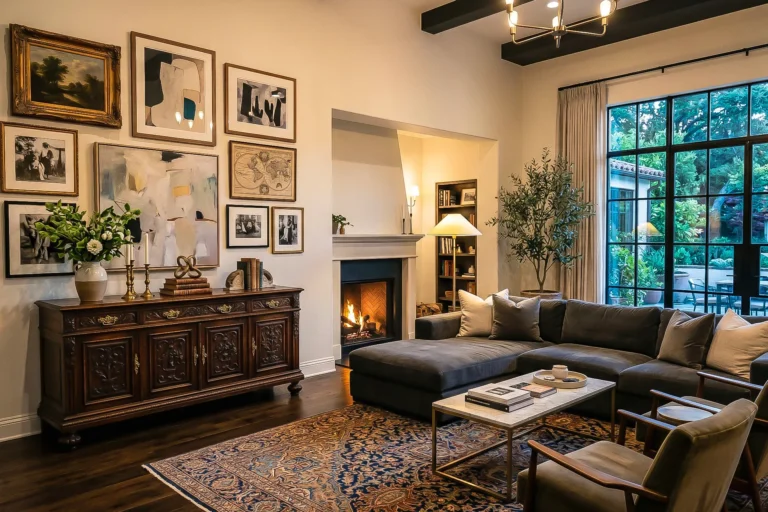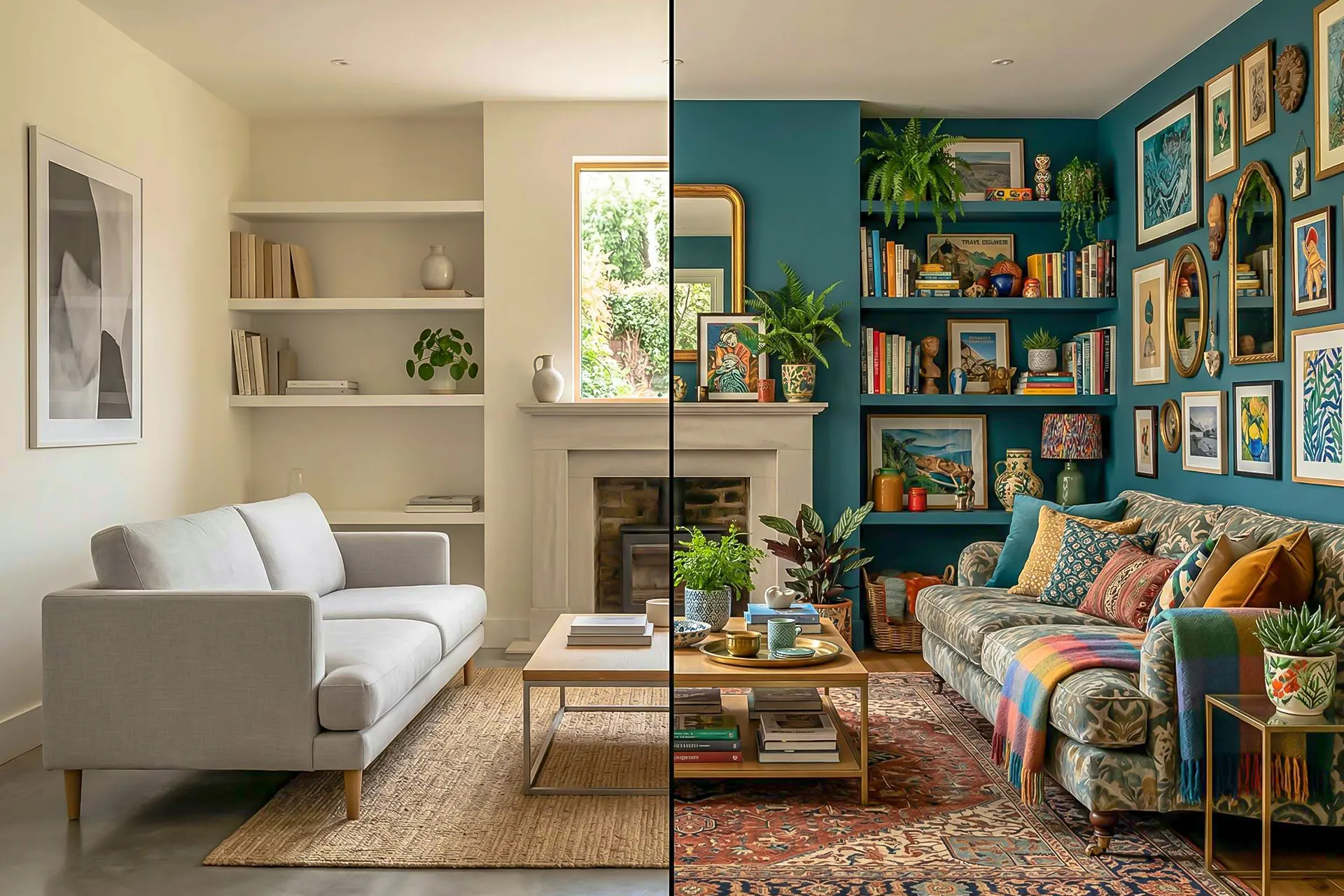
Your home should feel like you. Some people feel most at peace in a clean, uncluttered space with simple lines and neutral tones. Others feel energized and inspired surrounded by bold colors, layered patterns, meaningful objects, and rich textures.
These two opposite approaches are known as minimalist and maximalist home decor styles. In 2026, both styles remain popular, but many people are blending them or choosing one that truly matches their personality and lifestyle.
This guide will help you understand the real differences between minimalist and maximalist design, their pros and cons, current trends, and most importantly — which style suits your personality.
What Is Minimalist Home Decor?
Minimalism is based on the idea of “less is more.” It focuses on simplicity, function, and calm.
Key characteristics:
- Neutral color palette (whites, beiges, soft grays, blacks)
- Clean lines and simple shapes
- Lots of open space and breathing room
- High-quality pieces instead of many items
- Hidden storage and clutter-free surfaces
- Natural materials like wood, linen, and stone
Minimalist homes feel serene, orderly, and peaceful. They are easy to clean and maintain, which appeals to people who want a calm environment after a busy day.
What Is Maximalist Home Decor?
Maximalism is the opposite — it celebrates “more is more.” It is expressive, layered, and full of personality.
Key characteristics:
- Bold colors, patterns, and textures
- Layered decor (gallery walls, mixed patterns, collections)
- Meaningful objects, vintage finds, and heirlooms
- Rich fabrics, wallpapers, rugs, and art
- Eclectic mix of styles and eras
- A “collected over time” look
Maximalist homes feel warm, energetic, creative, and welcoming. They tell a story about the people who live there.
Minimalist vs Maximalist: Side-by-Side Comparison
| Aspect | Minimalist Style | Maximalist Style |
|---|---|---|
| Philosophy | Less is more | More is more |
| Colors | Neutral, soft tones | Bold, vibrant, mixed |
| Furniture | Simple, clean lines | Eclectic, layered, sculptural |
| Decor | Few carefully chosen pieces | Collections, patterns, textures |
| Mood | Calm, serene, focused | Energetic, warm, inspiring |
| Maintenance | Very easy | Requires more effort |
| Best for | Organized, introverted, calm seekers | Creative, extroverted, expressive people |
Pros and Cons of Each Style
Minimalism Pros:
- Reduces visual stress and anxiety
- Easier to clean and maintain
- Timeless and never goes out of style
- Makes small spaces feel larger
- Promotes mindful consumption
Minimalism Cons:
- Can feel cold or impersonal if overdone
- May lack warmth and personality
- Requires high-quality (often expensive) pieces
Maximalism Pros:
- Highly personal and expressive
- Feels warm, cozy, and inviting
- Sparks creativity and joy
- Perfect for displaying collections and memories
- Makes a strong visual impact
Maximalism Cons:
- Can feel overwhelming or cluttered
- Harder to clean and organize
- May look chaotic if not carefully curated
- Harder to change later
2026 Trends: The Rise of “Warm Minimalism” and “Meaningful Maximalism”
According to recent design forecasts, pure cold minimalism is fading. People now prefer warm minimalism — soft neutrals with natural textures and some personality.
On the other side, maximalism is growing stronger but in a more intentional way. It is no longer about throwing everything together. Designers call it “narrative maximalism” or “collected maximalism” — rooms filled with meaningful objects, family heirlooms, and personal stories.
Many homeowners are choosing a hybrid approach: a calm minimalist base with maximalist accents (one bold gallery wall, colorful pillows, or vintage pieces).
Which Style Suits Your Personality?
Here are simple questions to help you decide:
- After a long day, do you feel more relaxed in a completely tidy, quiet space or in a colorful, layered room full of things you love?
- Do you prefer a home that helps you focus and calm down, or one that energizes and inspires you?
- Are you someone who loves organizing and decluttering, or do you enjoy collecting beautiful objects?
- Does visual clutter stress you, or does an empty room feel boring?
- Do you like neutral tones and simplicity, or do bold patterns and colors make you happy?
Mostly A answers → You are likely a Minimalist at heart. Mostly B answers → You are likely a Maximalist at heart.
How to Test Both Styles in Your Home
You don’t have to commit fully to one style forever. Try these easy experiments:
- Start with a minimalist base (neutral walls, simple sofa) and slowly add maximalist touches (one gallery wall, colorful cushions, vintage lamps).
- Create one “maximalist corner” in an otherwise minimalist room.
- Use removable elements like peel-and-stick wallpaper, textiles, and movable art to test what feels right.
Many people discover they are happiest with a balanced “midimalist” or warm minimalist approach.
Final Thoughts: There Is No Right or Wrong Style
The best home decor style is the one that makes you feel good every day. Minimalism offers peace and clarity. Maximalism offers joy, creativity, and warmth.
In 2026, the most beautiful homes are the ones that reflect the personality of the people living in them — whether that means calm simplicity or joyful abundance.
Take time to understand what energizes you and what calms you. Your home should support your lifestyle and make you happy when you walk through the door.
Start small. Try one change this weekend and see how it feels. Your perfect style is waiting to be discovered.