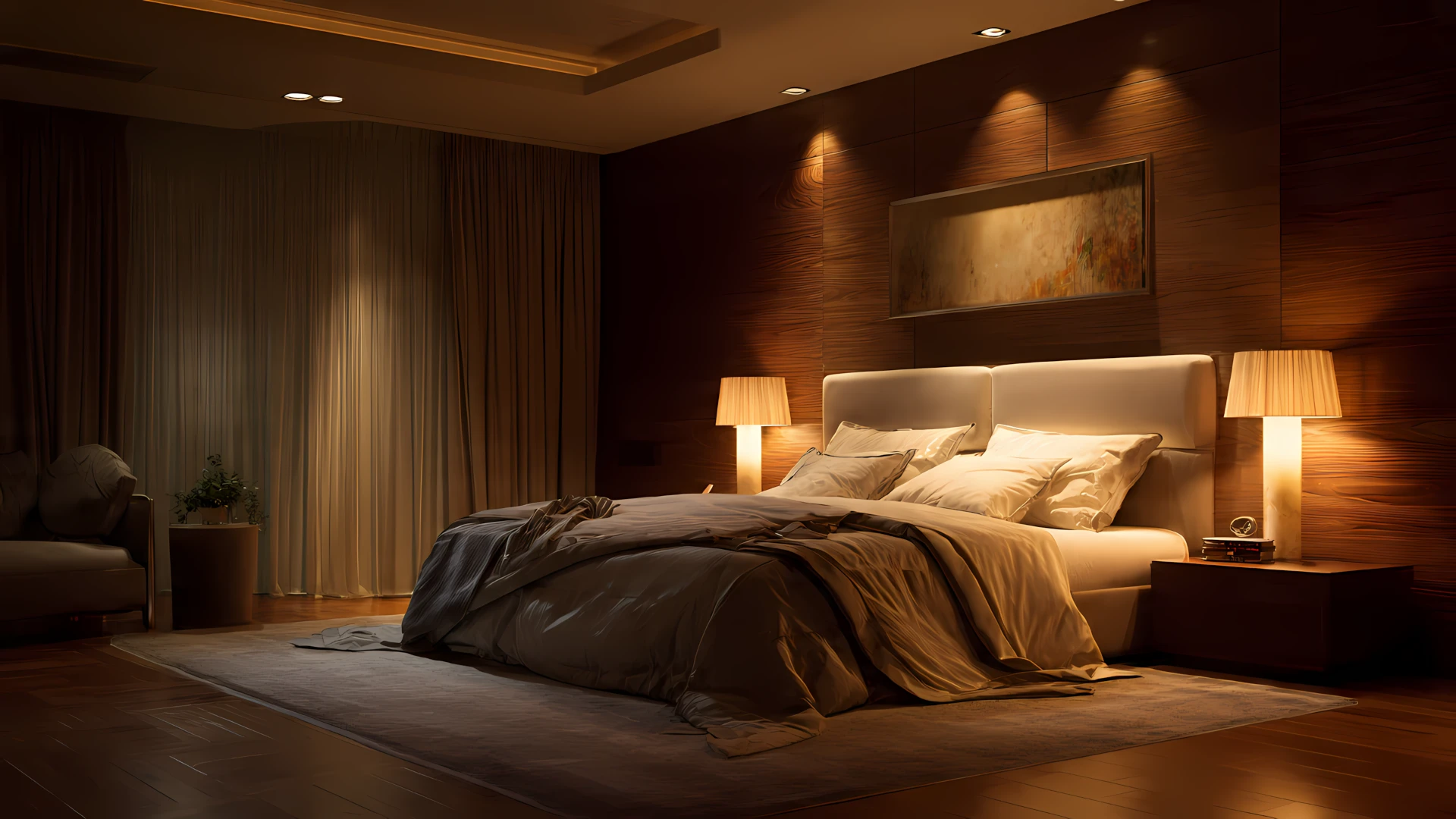
Choosing the right light bulb color for your bedroom can dramatically improve your sleep quality, mood, and comfort. Many people don’t realize that the wrong bulb color can make it harder to fall asleep or wake up feeling refreshed.
In this complete guide, you will learn exactly how to choose the right light bulb color (Warm vs Cool) for your bedroom. We’ll compare warm and cool lighting, explain Kelvin temperatures, and give you practical recommendations based on real science and 2026 interior trends.
Why Light Bulb Color Matters So Much in Bedrooms
Light color affects your body’s natural circadian rhythm. Bright blue-white light tells your brain it’s daytime, while soft golden light signals that it’s time to relax and sleep.
Moreover, the wrong lighting in your bedroom can cause eye strain, headaches, and poor sleep. Therefore, understanding the difference between warm and cool light is essential for creating a peaceful bedroom environment.
Understanding Light Bulb Colors: Warm vs Cool
Light bulb color is measured in Kelvin (K). The higher the Kelvin number, the cooler (bluer) the light appears.
Warm Light (2700K – 3000K)
- Color: Soft yellow, golden, or amber
- Feels: Cozy, relaxing, intimate
- Best for: Bedrooms, living rooms, dining areas
Cool Light (4000K – 6500K)
- Color: Bright white to bluish-white
- Feels: Alert, energizing, clean
- Best for: Kitchens, bathrooms, home offices, garages
In simple terms, warm light feels like sunset, while cool light feels like midday sun.
Warm Light vs Cool Light for Bedroom: Detailed Comparison
| Factor | Warm Light (2700K-3000K) | Cool Light (4000K+) |
|---|---|---|
| Sleep Quality | Excellent | Poor |
| Mood | Calming, romantic | Energizing, focused |
| Eye Comfort | Very gentle | Can cause strain |
| Room Appearance | Cozy and intimate | Modern and spacious |
| Best Time to Use | Evening & Night | Morning & Daytime |
Winner for Bedroom: Warm Light is clearly better for most people.
Best Kelvin Temperature for Bedroom Lighting in 2026
Experts and interior designers now recommend the following for bedrooms:
- Main Bedroom Lighting: 2700K – 3000K (Soft Warm White)
- Reading or Task Areas: 3000K – 3500K (Warm White)
- Morning Wake-Up Light: 4000K (only for short periods)
- Smart Bulbs: Tunable white bulbs (2700K–6500K) that change color during the day
Additionally, many people in 2026 are using 2700K as their standard bedroom temperature because it closely mimics natural candlelight and sunset.
How Different Activities Affect Your Light Choice
For Better Sleep
Use warm light (2700K) at least 1–2 hours before bedtime. Cool light suppresses melatonin production, making it harder to fall asleep.
For Reading in Bed
Choose 3000K bulbs. They provide enough brightness without being harsh on your eyes.
For Getting Ready (Makeup / Dressing)
You can install cooler lights (3500K–4000K) near your mirror or in the closet area. Many people use separate switches for different zones.
For Smart Lighting Setups
Use smart bulbs or tunable LED strips that automatically shift from cool light in the morning to warm light in the evening. This mimics natural daylight and supports your body clock.
Types of Bulbs and Their Color Options
Here are the most popular options available in 2026:
- LED Bulbs — Most energy-efficient and long-lasting
- Smart Bulbs (Philips Hue, Wiz, etc.) — Change color and brightness with app
- Dimmable Bulbs — Essential for bedrooms
- Tunable White Bulbs — Can switch between warm and cool
Pro Tip: Always choose “dimmable” bulbs if you’re installing a dimmer switch.
Step-by-Step Guide: How to Choose the Right Light Bulb Color for Your Bedroom
- Decide Your Main Purpose Is your bedroom mainly for sleeping, relaxing, or working?
- Check Your Room’s Natural Light Dark rooms benefit from warmer tones (2700K). Bright rooms can handle slightly cooler tones.
- Choose Your Main Lighting Go with 2700K–3000K for ceiling lights and lamps.
- Create Layers Use multiple light sources with different colors and brightness levels.
- Test Before Buying in Bulk Buy one bulb first and test it in your room at night.
- Consider Wall Color Warm white walls look best with warm bulbs. Gray or cool-toned walls may need slightly higher Kelvin.
Common Mistakes People Make
- Using cool daylight bulbs (5000K+) in bedrooms
- Installing only one bright overhead light
- Forgetting to use dimmers
- Using different color temperatures in the same room
- Ignoring blue light from phone screens at night
In contrast, professional designers create layered lighting with consistent warm tones for maximum comfort.
Best Lighting Setup Ideas for Different Bedroom Styles
Small Bedrooms
Use warm wall sconces and table lamps instead of bright ceiling lights to make the room feel bigger and cozier.
Master Bedrooms
Combine a warm chandelier or flush-mount light with bedside table lamps in 2700K.
Modern Minimalist Bedrooms
Use hidden LED strips behind the headboard with warm white color.
Romantic Bedrooms
Go all-in on 2200K–2700K bulbs with dimmers for a candlelight effect.
Smart Lighting Solutions Trending in 2026
Many homeowners are now using:
- Voice-controlled smart bulbs
- Circadian rhythm lighting systems
- Bulbs that automatically dim and warm up after sunset
These technologies make it much easier to have the right light at the right time.
Conclusion
Choosing the right light bulb color for your bedroom is one of the simplest yet most effective ways to improve your sleep and comfort. For most people, warm light between 2700K and 3000K is the best choice for bedrooms.
Start by replacing your main bulbs with warm white LEDs and add dimmer switches if possible. Layer your lighting with different sources, and consider smart bulbs for maximum convenience.
The right lighting doesn’t just make your bedroom look beautiful — it helps you sleep better, feel more relaxed, and wake up refreshed.
Take action today. Check the bulbs in your bedroom right now and see if they match the recommendations in this guide. Small changes in lighting can bring big improvements to your daily life and sleep quality.
Save this guide and refer to it whenever you need to upgrade your bedroom lighting.